
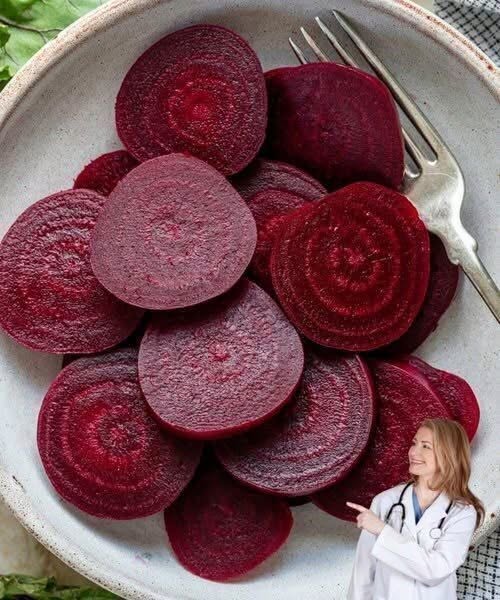
Beets are versatile, but their vibrant color can stain. Here’s how to enjoy them with minimal cleanup.
Preparation Tips:
Method
Instructions
Best For
Roasting
Wrap whole beets in foil; roast at 400°F (200°C) for 45–60 min until tender; peel after cooling
Side dishes, salads, grain bowls
Steaming
Steam peeled, cubed beets for 15–20 min until tender
Quick side dish; preserves more nutrients than boiling
Juicing
Combine with apple, carrot, ginger, and lemon for a refreshing drink
Pre-workout boost; morning routine
Pickling
Slice thinly; pickle in vinegar, water, sugar, and spices
Tangy condiment; sandwich topping
Grating raw
Grate raw beets into salads or slaws (wear gloves to avoid staining)
Crunchy texture; maximum nutrient retention
Stain-Prevention Strategies:
 Wear gloves when peeling or handling raw beets
Use a cutting board dedicated to colorful produce (or line with parchment)
Clean surfaces immediately with soap and water; vinegar helps lift stains
Store prepped beets in airtight containers to prevent color transfer in the fridge
 Pro tip: Rubbing your hands with lemon juice or vinegar after handling beets helps remove stains.
 Who Should Be Cautious with Beets?
While beets are safe for most people, a few groups should take note.
Consider Moderation or Consult Your Provider If:
Situation
Why
Recommendation
**Kidney stones **(oxalate-sensitive)
Beets are high in oxalates, which can contribute to calcium-oxalate stones
Limit portion size; stay well-hydrated; discuss with your nephrologist
Low blood pressure
Beets may lower BP further, especially with medication
Monitor BP; start with small amounts; consult your provider
**Iron overload conditions **(hemochromatosis)
Beets contain iron; excess iron can be harmful in these conditions
Discuss dietary iron intake with your healthcare team
Digestive sensitivity
High fiber may cause bloating or gas in some people
Introduce gradually; drink plenty of water
Pregnancy
Generally safe and beneficial (folate-rich), but discuss major dietary changes with your OB
Enjoy as part of a balanced prenatal diet
 When in doubt: If you have a chronic health condition or take medications, talk to your healthcare provider before making significant dietary changes.
 Frequently Asked Questions
Q: How many beets should I eat per day?
A: There’s no official recommendation, but most studies showing benefits used about 1 cup of cooked beets or 8 oz of beet juice daily. Start with smaller amounts and adjust based on tolerance.
Q: Are beet supplements as good as whole beets?
A: Whole beets provide fiber, antioxidants, and other compounds that work synergistically. Supplements may offer concentrated nitrates but lack the full nutritional package. Food first is generally best.
Q: Can I eat beet greens?
A: Yes! Beet greens are nutritious and delicious. Sauté them like spinach or add to soups. They’re rich in vitamins A, C, and K, plus calcium and iron.
Q: Do canned or pickled beets have the same benefits?
A: They retain many nutrients, but pickling adds sodium and sugar. Rinse canned beets to reduce sodium. Fresh or frozen beets offer the most control over ingredients.
Q: Why do some people not experience beeturia?
A: Pigment absorption varies based on stomach acidity, gut health, and genetics. Not experiencing beeturia doesn’t mean beets aren’t working for you.
Q: Can beets help with anemia?
A: Beets contain iron and folate, which support red blood cell production. However, plant-based iron is less readily absorbed than animal-based iron. Pair beets with vitamin C-rich foods to enhance absorption.
Q: Is beet juice better than eating whole beets?
A: Juice provides concentrated nitrates and is convenient pre-workout, but whole beets offer more fiber and a lower glycemic impact. Both have benefits; choose based on your goals.
Q: Can I grow beets at home?
A: Yes! Beets are relatively easy to grow in cool weather. They thrive in loose, well-drained soil and can be harvested in 50–70 days. Bonus: you can eat the greens too.
Q: Do beets interact with medications?
A: Beets may enhance the effects of blood pressure medications or nitrates used for heart conditions. If you take these medications, consult your provider before significantly increasing beet intake.
Q: What’s the best time of day to eat beets?
A: For blood pressure benefits, timing isn’t critical—consistency matters most. For exercise performance, consume 2–3 hours before activity. For general health, include them whenever they fit your routine.
