
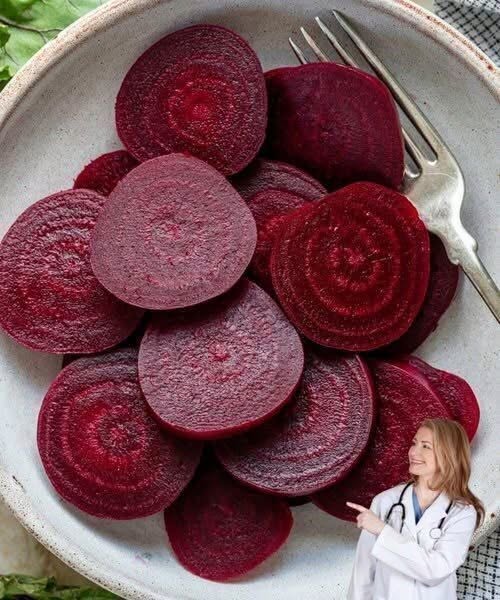
Why Beets Are a Healthy Superfood: Benefits for Heart Health, Digestion, and Daily Energy
Let me tell you about the vegetable I used to avoid at all costs.
Beets. Those deep magenta, earthy-smelling roots that stained everything they touched. As a kid, I picked them out of salads. As an adult, I walked past them in the produce aisle without a second glance. They were messy. They were intimidating. They tasted like dirt.
Then my doctor ran some routine blood work. My blood pressure was creeping up. Nothing alarming yet, but enough for her to suggest lifestyle changes.
“Eat more beets,” she said.
I laughed. “You’re serious?”
“Dead serious. Beets are one of the best natural sources of nitrates. They help lower blood pressure, improve athletic performance, and support liver function. Add them to your diet. You’ll notice a difference.”
I was skeptical. But I was also motivated.
I bought a bunch of fresh beets. I roasted them. I tossed them in a salad. I took a bite.
They were sweet. Earthy. Surprisingly delicious.
Now, beets are a regular part of my diet. And I have noticed a difference—in my energy, my digestion, and my blood pressure.
Let me walk you through what doctors say actually happens when you add beets to your diet.
 First, What Are Beets?
Beets (also known as beetroot) are root vegetables that come in a range of colors: deep red, golden yellow, and even candy-striped (Chioggia beets). They’re rich in vitamins, minerals, and unique plant compounds that have been studied for their health benefits.
Nutritional Profile (Per 1 Cup Raw, About 136g):
Nutrient
Amount
% Daily Value*
Calories
58
—
Fiber
4g
16%
**Folate **(B9)
148 mcg
37%
Manganese
0.5 mg
22%
Potassium
442 mg
11%
Vitamin C
6.7 mg
8%
Iron
1.1 mg
6%
Magnesium
31 mg
6%
Nitrates
~250 mg
—
*Based on a 2,000-calorie diet
The Star Compound: Nitrates
The Star Compound: Nitrates
Beets are among the highest dietary sources of naturally occurring nitrates, which your body converts into nitric oxide—a molecule that relaxes and dilates blood vessels. This simple biochemical process is behind many of beets’ most celebrated benefits.
 Key insight: Unlike synthetic nitrates found in processed meats (which can form harmful compounds), the nitrates in beets come packaged with antioxidants and fiber that support healthy conversion to nitric oxide.
 8 Things That Happen When You Add Beets to Your Diet
Let me walk you through what the research says—backed by science, explained simply.
1. Your Blood Pressure May Decrease (Within Hours)
What happens: Dietary nitrates in beets convert to nitric oxide, which relaxes blood vessel walls, improving blood flow and reducing pressure.
What the research says:
 A meta-analysis in The Journal of Nutrition found that beetroot juice reduced systolic blood pressure by an average of 4–5 mmHg within 3–6 hours
Effects are most pronounced in people with elevated blood pressure
Benefits are sustained with regular consumption (daily or several times weekly)
Practical takeaway: One cup of roasted beets or 8 oz of beet juice may help lower blood pressure within hours. Consistency matters more than quantity.
 Doctor’s note: If you take blood pressure medication, talk to your provider before significantly increasing beet intake. Combined effects could lower pressure too much.
2. Your Exercise Performance May Improve
What happens: Nitric oxide improves blood flow to muscles, enhances oxygen efficiency, and may delay fatigue during endurance activities.
What the research says:
Studies show beetroot juice can improve time-to-exhaustion by 15–25% in cyclists and runners
Benefits are most notable in moderate-to-high intensity exercise lasting 4–30 minutes
Effects may be more pronounced in recreational athletes than elite performers
Practical takeaway: Drink beet juice or eat beets 2–3 hours before exercise for potential performance benefits. Start with small amounts to assess tolerance.
 Pro tip: Combine beets with a source of vitamin C (like lemon juice) to enhance nitrate conversion and absorption.
