How to Stop Maggots From Taking Over Your Trash Bin: A Complete Cleaning and Prevention Guide

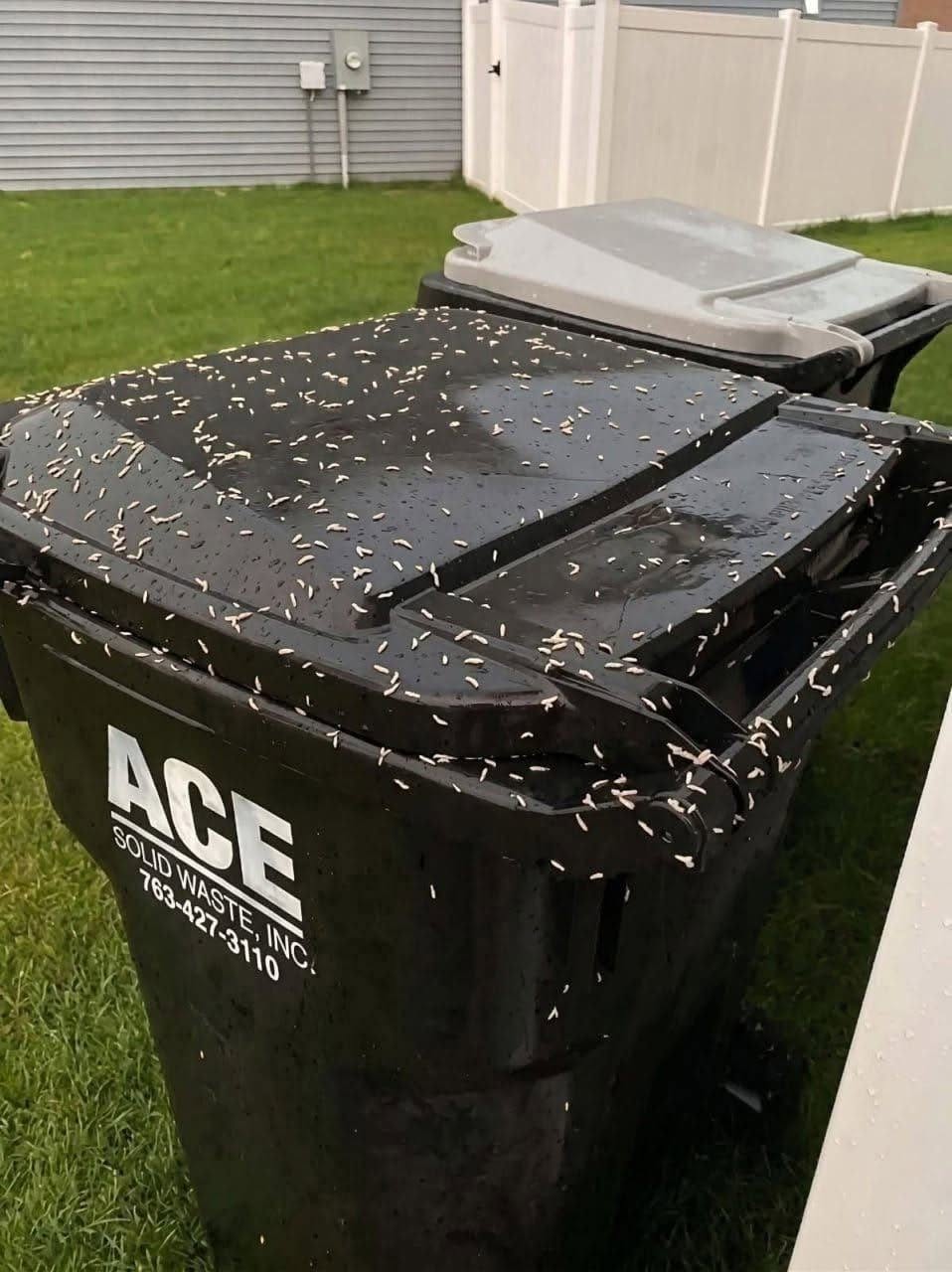
The Best Strategy: Stop Flies Before They Lay Eggs
Killing larvae solves today’s infestation. Preventing adult flies from reaching decomposing food solves tomorrow’s.
Fortunately, the most effective prevention methods are straightforward.
1. Keep Garbage Bags Tightly Sealed
An open garbage bag allows odors to escape and gives flies direct access to food.
Tie bags securely before placing them in the outdoor container. If a bag is damaged, replace it or place it inside a second bag.
Do not routinely overfill garbage bags until they tear when removed.
2. Pay Special Attention to Meat and Fish Scraps
Animal-based food waste can develop strong odors quickly,
garbage bag can coat the bottom of a bin with food liquid.
Even after the bag is collected, that residue may remain and continue attracting insects.
When you notice a leak, clean it rather than waiting until the smell becomes severe.
A clean-looking bin can still attract flies if liquid from one leaking bag remains trapped beneath the liner or around the wheels.
6. Rinse the Bin After Collection When Needed
You do not necessarily need to deep-clean a garbage bin after every collection, but inspecting it regularly can prevent small problems from becoming larger ones.
If you see sticky residue, food particles, liquid, grease, or an unusual odor after collection day, rinse and clean the affected areas before placing new garbage inside.
This is particularly useful during warm weather when even small amounts of organic residue can begin smelling quickly.
7. Keep Food Packaging as Clean as Practical
Food-soiled packaging can attract flies even when there are no obvious scraps sitting loose inside the bin.
When practical and consistent with local recycling or disposal guidance, scrape excessive food from containers before discarding them.
There is no need to waste large amounts of water washing ordinary garbage, but reducing heavy
food residue can help control odors.
8. Use Strong Garbage Bags
Thin bags are more likely to puncture when they contain bones, sharp packaging, cans, or heavy wet waste.
A torn bag can release both solids and liquids into the bottom of the bin.
Choose bags suitable for the amount and type of waste your household produces, and avoid forcing more garbage into a bag than it can safely hold.
9. Consider Double-Bagging High-Risk Waste
Double-bagging every household item is usually unnecessary, but it can be useful for particularly messy or odorous waste.
This may include leaking food packaging, meat scraps, fish remains, pet waste, or garbage that is likely to sit outside for several hot days.
The purpose is to reduce leakage and fly access rather than simply using more plastic without reason.
10. Keep the Bin in a Cooler Location When Possible
A garbage container sitting in direct sun can become extremely warm.
Moving it to a shaded but well-ventilated location can help slow decomposition and reduce odor, provided the location remains secure and complies with local collection requirements.
Do not place the bin somewhere that blocks exits, creates a fire hazard, or makes collection difficult.
Once food,
moisture, and easy access are reduced, a trash bin becomes far less attractive to flies—and prevention becomes much easier than repeatedly fighting another infestation.
11. Wash the Lid and Rim, Not Just the Bottom
The lid is often one of the most overlooked parts of a garbage container.
Food bags may brush against it, flies may land there, and spills can collect around hinges or grooves.
If larvae repeatedly appear near the top of the bin, inspect the underside of the lid carefully for dried food residue or tiny pieces of organic material.
12. Do Not Leave Loose Food in the Bin
Throwing uncovered food directly into an outdoor trash container gives flies immediate access.
Place food waste inside an appropriately sealed household garbage bag before it enters the outdoor bin.
This also reduces the chance of loose scraps becoming trapped beneath other bags.
13. Watch for Pet Waste
Pet waste can also attract flies.
If pet waste is disposed of in household garbage, contain it securely according to local rules.
Do not leave uncovered pet waste sitting inside or beside a garbage container.
14. Clean Pet Food and Outdoor Feeding Areas
Sometimes the flies around a garbage bin are
also being attracted by another nearby source.
Outdoor pet bowls, spilled animal feed, food scraps, compost, fallen fruit, and dirty barbecue areas can all contribute to fly activity.
Keeping the area surrounding the trash bin clean can reduce the number of flies attracted to the location in the first place.
15. Check Nearby Compost
Compost can be managed successfully without creating a severe fly problem, but poorly managed food waste can attract insects.
If a compost pile or container sits near the garbage bin, make sure it is being managed according to appropriate composting practices.
Do not assume the garbage bin is the only possible breeding source if large numbers of flies remain even after cleaning.
16. Pick Up Fallen Fruit
Fruit dropping from backyard trees can ferment and decompose rapidly during warm weather.
This material may attract flies near the same location where household bins are stored.
Regularly picking up fallen fruit can help reduce an overlooked food source.
17. Do Not Let Garbage Sit Longer Than Necessary
Use scheduled waste collection consistently.
If local rules allow, place especially perishable waste into the outdoor bin closer to collection time rather than leaving it exposed to heat for many days.
The longer decomposing material remains warm and accessible, the more opportunity flies have to locate it.
18. Inspect the Bin After Collection Day
Collection day is a useful time to check the condition of the container.
After it has been emptied, look for:
Leaking liquid
Food stuck to the bottom
Residue around the rim
Damage to the lid
Cracks in the bin
Larvae or pupae
Unusual odor
Cleaning a small spill immediately is much easier than dealing with a full infestation several days later.
What Are the Brown Capsule-Like Objects Near the Bin?
During or after a maggot infestation, you may notice small brown, reddish-brown, or dark capsule-like objects around the bin, beneath the lid, along cracks, or even on the ground nearby.
These may be fly pupae.
After feeding, mature larvae can move away from the food source and enter the pupal stage before eventually becoming adult flies.
This means cleaning should extend beyond the exact spot where the maggots were first seen.
Inspect edges, cracks, wheel areas, and nearby dry sheltered locations where mature larvae may have moved.
Can Maggots Crawl Out of the Trash Bin?
Yes. Mature larvae may move away from wet food waste when they
The longer decomposing material remains warm and accessible, the more opportunity flies have to locate it.
18. Inspect the Bin After Collection Day
Collection day is a useful time to check the condition of the container.
After it has been emptied, look for:
Leaking liquid
Food stuck to the bottom
Residue around the rim
Damage to the lid
Cracks in the bin
Larvae or pupae
Unusual odor
Cleaning a small spill immediately is much easier than dealing with a full infestation several days later.
What Are the Brown Capsule-Like Objects Near the Bin?
During or after a maggot infestation, you may notice small brown, reddish-brown, or dark capsule-like objects around the bin, beneath the lid, along cracks, or even on the ground nearby.
These may be fly pupae.
After feeding, mature larvae can move away from the food source and enter the pupal stage before eventually becoming adult flies.
This means cleaning should extend beyond the exact spot where the maggots were first seen.
Inspect edges, cracks, wheel areas, and nearby dry sheltered locations where mature larvae may have moved.
Can Maggots Crawl Out of the Trash Bin?
Yes. Mature larvae may move away from wet food waste when they
are ready to pupate.
This can explain why maggots are sometimes discovered outside the container, on nearby pavement, or around a garage or storage area.
Finding a few larvae outside the bin does not necessarily mean there is another infestation inside the home, but the surrounding area should be inspected and cleaned.
What If Maggots Are Inside the House?
If larvae are found indoors, identify the source rather than focusing only on the insects themselves.
Possible sources may include:
A forgotten garbage bag
Food underneath an appliance
Spoiled food
Pet food
Animal waste
A dirty indoor trash can
Organic material trapped in an inaccessible location
Removing the breeding material is usually essential for solving the problem.
If larvae continue appearing despite thorough cleaning, or if you cannot locate the source, professional pest-control assistance may be appropriate.
What If the Infestation Keeps Returning?
Repeated infestations usually mean adult flies continue gaining access to a suitable breeding source.
Review the entire waste-management routine.
Ask:
Are garbage bags tearing?
Does the lid close completely?
Are meat scraps sitting in the bin for several days?
Is liquid accumulating at the bottom?
Is food residue stuck beneath the rim?
Are flies coming from nearby compost,
pet waste, or fallen fruit?
Is the bin sitting in extreme heat?
Correcting the recurring attraction usually provides better long-term control than repeatedly applying homemade powders or sprays.
Should You Spray Air Freshener Into the Bin?
Fragrance can temporarily cover an odor, but it does not remove decomposing organic material.
Strong perfume may make the container smell different to you while the same food residue remains available to flies.
If the bin smells bad after it has supposedly been cleaned, inspect it again rather than simply adding fragrance.
What About Essential Oils?
Essential oils such as peppermint, eucalyptus, citronella, or tea tree oil are sometimes recommended as fly deterrents.
Strong aromas may influence insect behavior temporarily, but they are not a reliable substitute for physical sanitation and exclusion.
Concentrated essential oils can also irritate skin, eyes, or respiratory passages and may pose risks to pets depending on the product and exposure.
There is usually little reason to saturate a household garbage container with concentrated oils.
Should You Use Fly Traps?
If adult flies remain abundant around the garbage-storage area even after improving sanitation, appropriately placed fly-control products may provide additional help.
Use products specifically intended for the setting and follow
all label directions.
Placement matters, particularly around children, pets, doors, food areas, and neighboring properties.
A trap can reduce adult flies, but it will not compensate for exposed decomposing waste.
Are Maggots Dangerous?
Finding maggots in household garbage is unpleasant, but the larvae themselves are usually a sign of decomposing organic material rather than an immediate household emergency.
The greater hygiene concern is the contaminated garbage, food residue, and flies moving between waste and other surfaces.
Avoid direct contact, wash your hands after handling garbage, and clean contaminated surfaces appropriately.
Keep children and pets away from infested waste.
Can Pets Eat Maggots From the Trash?
Pets should not be allowed to eat garbage or larvae from an infested bin.
The bigger concern may be what else is present in the waste, including spoiled food, bones, toxins, packaging, medications, cleaning products, mold, or other dangerous materials.
If a pet consumes a significant amount of spoiled garbage or develops vomiting, diarrhea, weakness, unusual behavior, or other concerning symptoms, contact a veterinarian.
What If the Bin Is Full of Flies Even After Cleaning?
Adult flies that had already developed nearby may continue appearing for a short period even after the original waste has
been removed.
Continue keeping the container clean, dry, and closed.
Inspect the surrounding area for additional breeding material.
If fly numbers remain unusually high for an extended period, there may be another source nearby that needs attention.
Do You Need Professional Pest Control?
Most isolated garbage-bin maggot problems can be managed without professional treatment.
Professional pest-control assistance may be worth considering when:
Infestations repeatedly return despite proper sanitation
Large numbers of flies are appearing indoors
The breeding source cannot be located
There may be dead animals or inaccessible organic material inside walls or other structures
The scale of the infestation is too large to manage safely
In these situations, identifying and removing the underlying source remains the key objective.
A Simple Summer Routine for Keeping Bins Cleaner
During hot weather, a basic routine can prevent many problems:
Seal food waste securely
Double-bag leaking or especially odorous waste when necessary
Keep meat and fish scraps well contained
Keep the bin lid closed
Do not overfill the container
Inspect the bottom after collection
Clean leaks promptly
Allow the container to dry after washing
Keep the surrounding area free of food debris
Use collection services consistently
The Bottom Line
