
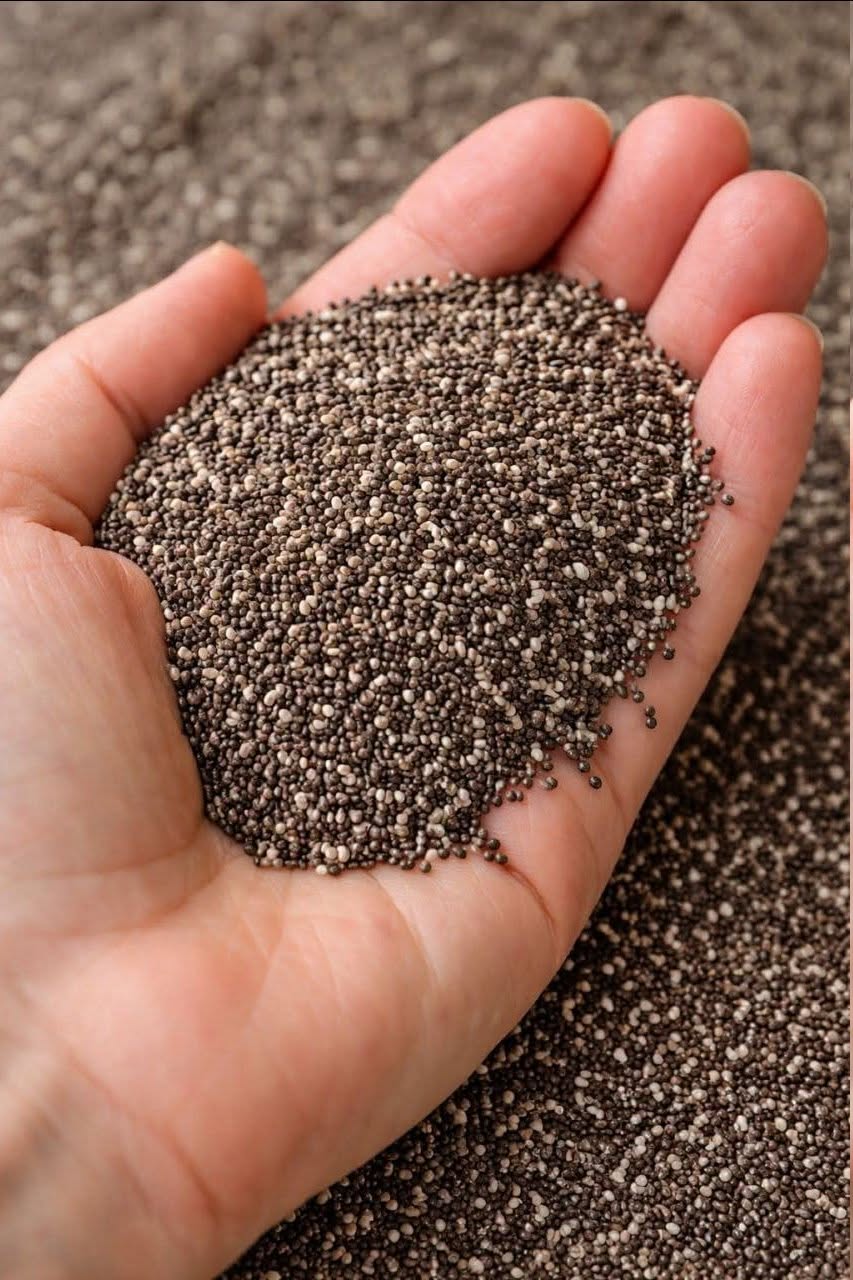
Chia Seeds Provide Plant-Based Omega-3 Fat
Chia seeds are one of the richest plant sources of alpha-linolenic acid, commonly abbreviated as ALA. ALA is an essential omega-3 fatty acid, meaning the body cannot produce it and must obtain it from food.
ALA contributes to normal nutrition and may support cardiovascular health when it replaces some saturated fat in the diet. Other sources include flaxseeds, walnuts, hemp seeds, soy foods, and certain plant oils.
ALA Is Not the Same as EPA and DHA
The body can convert a portion of ALA into eicosapentaenoic acid, or EPA, and then into docosahexaenoic acid, or DHA. This conversion is limited and varies between individuals.
Chia seeds should therefore not be described as nutritionally identical to oily fish or algae-based omega-3 products. Fish provides EPA and DHA directly, while certain algae supplements can provide DHA and sometimes EPA without animal ingredients.
People who avoid fish may use chia seeds as a valuable source of ALA, but those who require preformed EPA or DHA should discuss suitable food or supplement options with a healthcare professional.
Chia Seeds Contain Antioxidant Compounds
Chia seeds contain naturally occurring compounds such as phenolic acids and flavonoids. These compounds help protect the fats within the seed from oxidation and can contribute to overall dietary antioxidant intake.
Laboratory measurements of antioxidant capacity do not prove that chia seeds prevent a specific disease in humans. They are simply one of many plant foods that supply potentially beneficial phytochemicals.
Are Chia Seeds a Complete Protein?
Chia seeds contain all nine essential amino acids and are sometimes described as a complete protein. However, a two-tablespoon serving provides less than 5 grams of protein, so chia is not as concentrated a protein source as beans, lentils, soy foods, eggs, fish, dairy products, poultry, or meat.
Chia seeds can add protein to a meal, but relying on them alone would make it difficult to meet daily protein requirements. Their strongest nutritional role is the combination of fiber, ALA, minerals, and modest protein.
Chia Seeds Versus Flaxseeds
Both chia and flaxseeds are nutritious. Chia seeds generally provide more fiber per comparable serving, while flaxseeds may provide slightly more ALA. Exact quantities vary by database and product.
Whole flaxseeds may pass through the digestive tract without being fully broken down, so grinding them improves access to their nutrients. Chia seeds can generally be eaten whole because their outer coating hydrates and softens when exposed to liquid.
There is no need to choose only one. Using both can provide variety in flavor, texture, and nutrient intake.
The nutritional profile of chia seeds is impressive, but understanding how that profile translates into real health outcomes requires separating promising evidence from exaggerated claims.
Potential Benefits for Heart Health
see continuation on next page
