
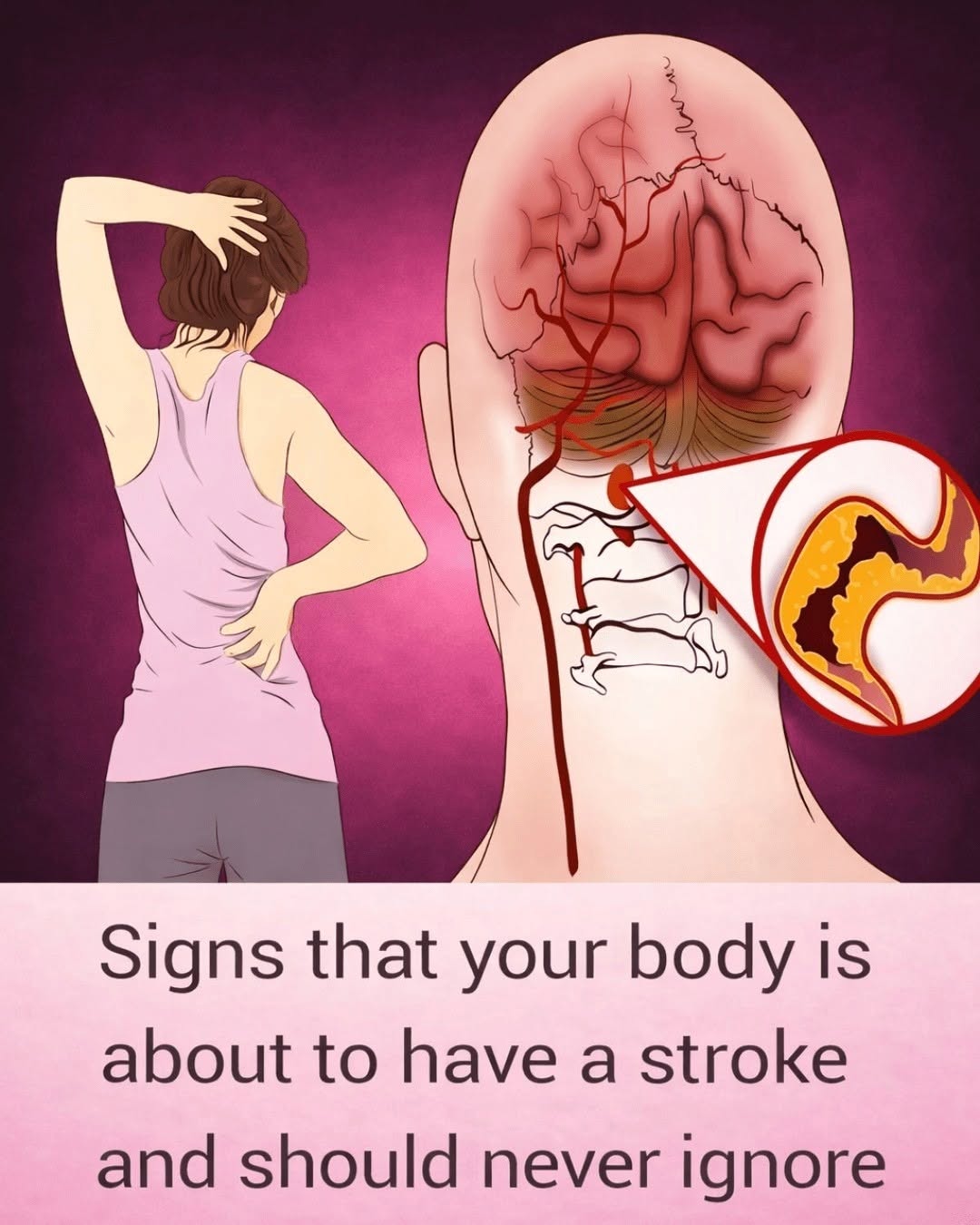
home to see whether symptoms disappear.
If someone suddenly develops stroke-like symptoms:
* do not let them drive themselves
* do not wait for symptoms to worsen
* do not assume they simply need rest
* do not give food or drink if swallowing may be affected
Contact emergency medical services immediately.
## Who Is More Likely to Have a Stroke?
Stroke can happen to anyone, but some factors increase the risk.
These include:
* high blood pressure
* atrial fibrillation
* diabetes
* high cholesterol
* smoking
* cardiovascular disease
* previous stroke or TIA
* increasing age
* physical inactivity
Managing these
risk factors can reduce the likelihood of stroke.
## A TIA Is a Warning, Not a False Alarm
Because TIA symptoms disappear, people sometimes assume there is no longer any danger.
That is not true.
A TIA can indicate that blood flow to the brain was temporarily interrupted. Medical evaluation can help identify the cause and reduce the risk of a future stroke.
Even symptoms that last only a few minutes should be reported urgently.
## When to Call Emergency Services
Seek emergency medical help immediately for any sudden appearance of:
* facial
drooping
* weakness or numbness on one side
* trouble speaking
* confusion
* vision loss
* severe imbalance
* unexplained severe headache
Do not wait for several symptoms to appear. **One sudden neurological symptom can be enough to justify emergency evaluation.**
## The Bottom Line
Stroke symptoms usually appear suddenly, and every minute matters.
The most important warning signs include facial drooping, arm weakness, speech difficulty, sudden vision changes, severe imbalance, confusion, and an unexplained severe headache.
Even when symptoms disappear, they should not be ignored.
Learning to recognize these signs—and acting immediately—can help someone receive
treatment sooner and may reduce the risk of permanent disability or death.
